Yangqin Music
Introduction
Yangqin music, centered around the Chinese hammered dulcimer known as the yangqin, offers a harmonious blend of traditional and modern influences, captivating audiences with its gentle and clear sound. The instrument's ability to evoke diverse moods makes it a staple in film scores and cultural performances. Originating from ancient Persia as the santur, the dulcimer's journey brought it to China via the Silk Road around 400 years ago, where it became the yangqin, meaning "foreign instrument." Over time, it has become a central element in Chinese folk ensembles, similar to the piano in Western orchestras.
Characteristics
Musical Structure
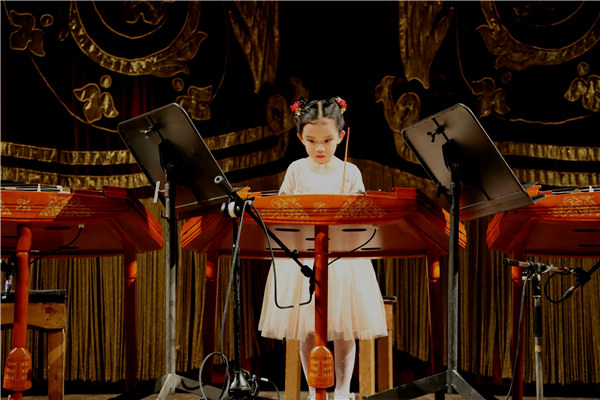
Yangqin music is characterized by its unique musical structure, which combines the striking of strings with two hammers, producing a sweet and resonant timbre. The trapezoidal shape of the yangqin allows for the creation of complex harmonies and intricate melodic lines. This structure enables performers to explore a wide range of emotions and themes, from serene and tranquil to vibrant and lively, making yangqin music versatile and expressive.
Instrumentation
The instrumentation of yangqin music revolves around the dulcimer itself, which consists of strings stretched across a wooden frame, played with lightweight bamboo hammers. The yangqin's design allows for a variety of tonal colors and textures, which are further enhanced by the performer's technique and interpretative skills. In ensemble settings, the yangqin often complements other traditional Chinese instruments like the erhu, pipa, and guzheng, creating a rich and diverse sonic landscape.
Notable Compositions
Notable compositions for the yangqin span traditional folk tunes to contemporary adaptations. Pieces like "Big Fish," which features a harmonious yangqin trio, exemplify the instrument's ability to evoke emotional depth and clarity. Additionally, compositions such as Castle in the Sky and Flying Birds from the Sounds of Autumn music series showcase the yangqin's versatility in creating vivid musical narratives.
Prominent Artists
Prominent yangqin artists have played a crucial role in popularizing the instrument both domestically and internationally. Liu Yuening, a professor at the Central Conservatory of Music in Beijing, has dedicated over 30 years to promoting yangqin music globally. Her efforts include organizing international music festivals and leading cultural exchange programs. Additionally, Fu Bing, a key figure in the Sichuan school of yangqin, has contributed significantly to preserving the history and culture of yangqin music in China.
Yangqin Music in Different Cultures
Yangqin music has transcended cultural boundaries, finding resonance in various musical traditions worldwide. In Iran, the yangqin's predecessor, the santur, remains a vital part of traditional Persian music. In Europe and North America, the dulcimer's sweet melody is appreciated in folk and classical contexts. The instrument's adaptability and universal appeal have made it a symbol of cultural exchange, as seen through collaborations between Chinese and Iranian musicians and performances at international music festivals.
Educational Aspects
Educational initiatives have played a pivotal role in nurturing the next generation of yangqin musicians. Programs like the Music Confucius Institute in Copenhagen offer courses in Chinese music appreciation and yangqin training, attracting students from diverse backgrounds. Yangqin education emphasizes not only technical proficiency but also cultural heritage preservation. Ensembles such as the Junior Jasmine Ensemble in Beijing provide young learners with opportunities to perform internationally, fostering a global appreciation for yangqin music.
Modern Developments
Modern developments in yangqin music reflect a growing interest in fusing traditional sounds with contemporary influences. Artists like Shaun Gibson have explored the integration of yangqin with Western pop music, creating innovative compositions that appeal to a broad audience. This fusion has been facilitated by technological advancements and increased cultural exchanges, allowing yangqin music to evolve and remain relevant in today's global music scene. Additionally, the proliferation of online platforms has enabled greater accessibility to yangqin music, further expanding its reach and impact.
Yangqin music continues to enchant audiences worldwide, serving as a bridge between cultures and a testament to the enduring appeal of traditional Chinese music. Its rich history, diverse characteristics, and ongoing innovations ensure that the yangqin will remain a cherished and influential instrument for generations to come.








